Repair or Replace a Worn Everyday Item?
Repair or replace a worn everyday item? Judge its function, fault and repairability before choosing a modest fix, replacement or a different use.

The common mistake in deciding whether to repair or replace a worn everyday item is treating visible wear as proof that it has stopped being useful. That can send a sound object to the bin, or keep a frustrating one in use because it seems wasteful to let it go. Repair or replace decisions become clearer when you ask what the item must do, what has failed and whether a modest fix can restore that function.
Start with the job the item needs to do
Function means the practical job an object performs, not whether it looks as it did when new. A saucepan needs to hold food securely and sit safely on its hob; a coat needs to keep its wearer comfortable in the conditions they face. Small marks may not affect either job, while a subtle fault can make an item awkward or unreliable.
Describe the item’s essential job in plain language. For a kitchen chair, that might be “support someone without rocking”; for a bedside lamp, “provide usable light from a stable base”. This keeps the decision tied to daily use instead of appearance, sunk cost or a vague feeling that an object ought to be saved.
Then notice how often the item serves that job and how inconvenient it is when it cannot. A chipped serving bowl used occasionally may still work perfectly well, while a loose handle on a frequently used mug may make it unpleasant to lift. The importance of the item depends on the role it plays in your home, not its original price or age.
Describe the fault before choosing a remedy
A fault is the part that no longer works as intended. Separate it from ordinary wear: faded colour, softened fabric or a scratched surface can be signs of use without being failures. Look for the specific point where function has changed, such as a seam that has opened, a button that has come away or a drawer runner that no longer guides the drawer.
Next, consider the fault’s scale. A local fault affects one identifiable area; a widespread fault appears across the item or in several parts. A detached button is local. A fabric bag whose handles, base and seams are all breaking down has a broader problem, even if each tear seems small in isolation.
Also ask whether the problem is stable or likely to spread. A missing screw cover is usually cosmetic, whereas a crack that continues through a heavily used part may affect more than its appearance. You do not need to diagnose the engineering of an object: the useful distinction is between a contained nuisance and a fault that changes how confidently it can be used.
Match the repair to the size of the problem
A modest repair is one that addresses a clearly understood fault without creating a new burden. It may involve resewing a short section of a tote bag’s seam, replacing a missing coat button or tightening a loose screw on a non-electrical cupboard knob. The aim is not to make the item pristine; it is to return it to a useful role.
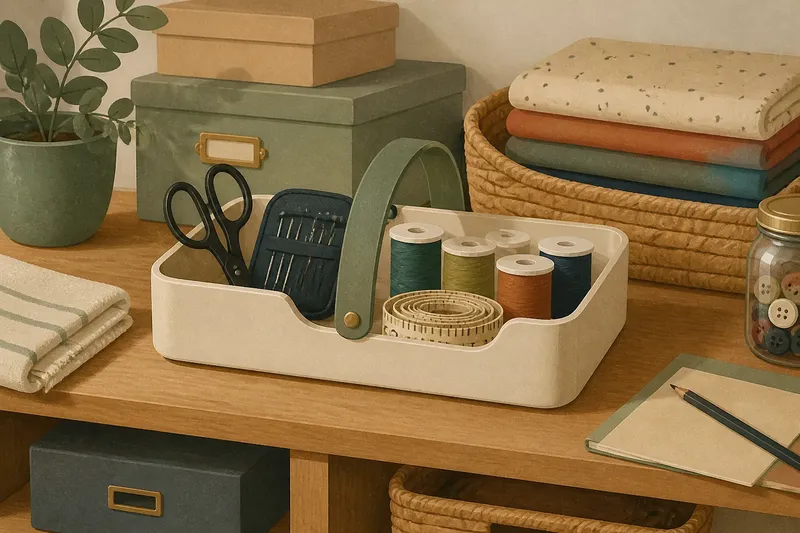
Consider whether you have the skill, suitable materials and patience for that repair. A needle and matching thread may be enough for a simple seam, while a small screwdriver can suit a loose handle. If the job calls for unfamiliar tools, specialised parts or repeated work, compare the effort with the value the restored item would bring to your routine.
Imagine a cloth shopping bag with one short seam opening, while its handles and base remain sound. You could set aside a needle, thread and a little time, then sew the open section and check that the bag holds its usual contents without the seam pulling apart. If the fabric around it is fraying in several places, the same repair may only postpone the point at which the bag stops being useful.
Some faults are not suitable for a casual household fix. Damage involving electrical wiring, gas appliances, structural support or a sharp edge that could cause injury calls for caution and, where appropriate, a qualified repairer. For instructions or replacement parts, follow the maker’s guidance and any relevant local rules.
Count the burdens a repair may leave behind
A repair can succeed at its narrow task and still leave the item difficult to use. A patched knee may be sturdy but uncomfortable; a repaired zip may work while the surrounding fabric continues to tear. Look at the whole object after imagining the fix, rather than judging the repair only by whether one fault disappears.
Ask what happens if the repair holds, and what happens if it does not. If failure would merely mean using a different serving spoon, you may be comfortable trying a simple fix. If the item is important to a daily routine, or its failure could cause harm, the acceptable margin for uncertainty is different.
Time and attention matter as well as materials. A straightforward repair can be worthwhile when it fits naturally into a task you already do, such as sewing a button while mending other clothes. A repair that requires several trips, hard-to-source parts or repeated adjustment may take more from your household than the object gives back.
Compare replacement without assuming new is better
Replacement makes sense when the item no longer performs its essential job, when faults are widespread, or when a repair would leave it unreliable or burdensome. It can also be sensible when a suitable repair is unavailable. The decision is not a test of personal virtue: keeping an unusable object does not make it useful.
Before buying, define what the replacement needs to do and what made the old item difficult. If a lunch box’s lid repeatedly loses its seal, consider whether you need a different closure style or simply a replacement lid for the same box. A repair part may be available from the manufacturer or a local shop; if not, a replacement can be chosen to suit the actual use rather than the old object’s appearance.
Do not assume that a new item will solve a problem caused by mismatch. A large utensil may be awkward in a small drawer, and a delicate material may not suit a rough daily task. Choose for the conditions the object will face, and check whether the worn item has another safe, practical use before discarding it. A mug that no longer feels comfortable to drink from might hold pens, provided it is clean and stable.
Repair or replace a worn everyday item? Ask these questions
How do I know if an item is still useful?
Identify the job it must perform and whether it can still do that job comfortably and dependably. Wear that does not interfere with use may be only cosmetic; a fault that makes the object awkward or unreliable matters more.
Is a small repair worth doing?
It may be, if the fault is local, the repair is within your abilities and the result would restore a role you value. Consider the materials, effort and likely usefulness together rather than treating “small” as an automatic reason to mend.
When should I replace an item instead?
Replacement is a reasonable choice when the fault is widespread, the item cannot safely or comfortably do its job, or a repair would leave it unreliable. If a qualified repairer is needed, you can ask what the repair would address before deciding.
Can a worn item be used for something else?
Sometimes, if its remaining qualities suit a different task and the new use is safe. A cracked container, for example, should not be used for storing food if the damage could affect hygiene or make it unstable; repurposing should solve a real need rather than postpone disposal.
Make a decision you can revisit
For a useful repair-or-replace decision, write down the item’s job, the exact fault and what a successful fix would change. If those answers point to a contained problem and a clear improvement, try a modest repair when it is safe and manageable. If they point to poor function, widespread damage or an uncertain outcome, replacement or a different use may fit better.
Keep the decision proportionate. You do not need to repair every worn possession, and you do not need a perfect-looking replacement to justify letting an unusable item go. A sound choice leaves you with fewer objects that demand attention and more that quietly do the jobs you keep them for.
When you are unsure, set the item aside briefly rather than buying in haste or beginning a repair you cannot finish. Note the task it would need to perform next time you reach for it; that ordinary moment often tells you more than its appearance on a shelf.