From Flour Sacks to Cleaning Cloths: The Second Life of Household Fabric
Household fabric reuse starts with texture and condition: learn which worn textiles suit dusting, drying, polishing or workshop clean-up.
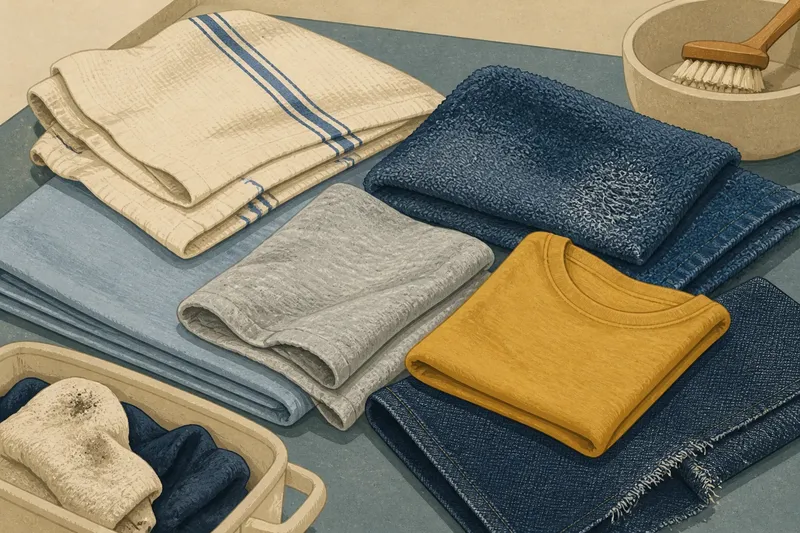
The common mistake with household fabric reuse is to treat every worn textile as a ready-made cleaning cloth. That can leave lint on glass, smear grease across a surface or turn a sturdy piece of cotton into an awkward rag. A fabric’s useful second life depends on what it feels like, how it is woven and what condition it is in.
Textiles have long moved through practical stages: a flour sack might serve first as packaging, then as a kitchen towel, and later as a cloth for dusty jobs. The point is not to copy one exact tradition, but to notice how each change in use follows the material. These choices help you match household fabric to a task without confusing “worn out” with “useful for anything”.
1. Flour sacks suit drying because their weave is plain
A traditional flour sack made from cotton has a simple, relatively flat weave. Once clean and softened by use, that surface can absorb water without the deep loops of a bath towel, making it handy for drying dishes or wiping a clean worktop. A sack with a coarse weave or loose threads may be less pleasant against delicate glass.
Before reusing a flour sack, check whether it has a printed design, a persistent odour, or traces of food that have not washed out. A plain, clean section is usually the most versatile. Cut away a frayed hem if it catches on cups, but leave enough fabric at the edge to stop the weave unravelling.
2. Worn cotton sheets make useful dusting cloths
A cotton sheet loses its appeal as bedding when it thins, tears or becomes uneven, yet broad intact areas can still work for dusting. The smooth weave is easy to fold into a clean face, and a larger piece can be cut into cloths suited to shelves, skirting boards or the outside of furniture. A sheet with a roughened patch can be kept for less delicate surfaces rather than used on polished wood.
Use a clean, dry piece for loose dust, folding it so the dust stays on the cloth rather than being dragged over the next surface. If a sheet sheds fibres when rubbed between your fingers, it is a poor choice for dark furniture or smooth glass. Keep it for a task where a few stray fibres will not create extra work.
3. Soft T-shirts are better for polishing than scrubbing
Jersey T-shirt fabric stretches and feels soft, so it can suit gentle polishing or wiping a surface after cleaning. It is less suited to scraping dried food or rubbing away a stubborn mark: its softness gives little grip, and the fabric may roll into a narrow cord under pressure. A hem or printed area can also leave a streak, so a flat, unprinted part is often the most useful.
Consider what the shirt is made from as well as how it feels. Cotton jersey often behaves differently from a stretchy synthetic blend, which may hold water differently or leave a slick feel. The garment’s label can help identify its fibres; if the cloth’s behaviour is uncertain, reserve it for an undemanding wipe rather than a delicate finish.
4. Towels with thinning loops can take on messy jobs
Bath towels are absorbent because their loops create a bulky surface that holds water. When parts of a towel thin or pull, those areas may still mop up spills, dry a muddy pair of shoes or catch drips beneath a plant pot. The same uneven texture can snag on small objects, so an intact section is preferable for wiping around handles or delicate fittings.
Separate clean utility pieces from cloths used for oily, food-related or outdoor messes. A towel that has absorbed grease may be harder to launder and can transfer residue to another item in the wash. Cutting it into pieces by condition and intended task helps keep the cleaner sections available for ordinary household wiping.
5. Linen can dry quickly but may feel too crisp for some jobs
Linen is made from flax fibres and often has a crisp, open feel. A clean linen tea towel can dry glassware or cover bread, while a worn section may be useful for wiping a surface that benefits from a cloth that does not feel bulky. The weave and finish vary, so one linen item may be soft and absorbent while another feels stiff or leaves lint.
Test the cloth on an inconspicuous area before using it on a polished or delicate surface. If it catches on the surface or leaves fibres behind, choose a softer, smoother textile instead. Linen is not automatically the better choice simply because it feels durable; the specific weave and condition matter more than the name of the fibre alone.
6. Wool and thick knits belong away from wet wiping
Woollen garments and heavy knits can be tempting to cut up once they are damaged, but their loft and tendency to shed make them poor general-purpose cleaning cloths. Loose fibres can cling to rough surfaces, and a thick knit may be cumbersome when damp. A clean piece could instead protect a fragile object in a drawer or cushion a stored item, where its softness is useful and lint is less troublesome.
If a wool item has been exposed to moths, mustiness or an unknown spill, do not place it beside clean textiles. Choose another material for household wiping. Reuse should follow the fabric’s actual condition, not the hope that any old garment can be made useful through cutting.
7. Denim works for robust surfaces, not fine finishes
Denim’s dense weave and firmer hand can suit a rough clean-up job, such as wiping the outside of a garden pot or clearing dust from a sturdy tool handle. It can be too abrasive for glossy finishes, and its bulky seams may make it difficult to reach into corners. Use an unseamed area and avoid rubbing a surface that could scratch.
Dark denim can also transfer colour when wet, particularly if it is relatively new or heavily dyed. Keep it for a task where colour transfer would not mark a pale surface, and wash it separately if dye release is a concern. A worn knee may be thinner and more pliable than the rest of the leg, offering a more manageable piece for rough work.
8. Keep cloths separate by residue and destination
Matching fabric to texture is only part of reuse; the cloth’s previous job matters too. A rag used for cooking oil, shoe polish or garden soil should not drift back into the kitchen drawer. Give such pieces a clear destination, such as a workshop box or a container for outdoor clean-up, and keep them apart from cloths for dishes and food-preparation surfaces.
Say you have a faded cotton sheet, a soft T-shirt and a towel with a pulled loop. You could keep the sheet for dry dusting, cut the smooth shirt body for gentle polishing, and reserve the towel for muddy shoes; the visible result is three cloths that each suit a different job, rather than one mixed pile that is hard to choose from.
- Check texture: is the fabric smooth, looped, stretchy, dense or likely to shed?
- Check condition: are there holes, loose threads, rough patches, odours or residue?
- Check the task: does it need absorption, a smooth finish, softness or a robust surface?
- Check for transfer: could dye, lint, grease or dirt move onto the item being cleaned?
- Choose a destination: keep kitchen cloths separate from workshop and outdoor rags.
Which household fabric should you reuse?
Can old cotton sheets be used as cleaning cloths?
Yes, if the sheet is clean and its weave is not shedding or rough enough to catch on the surface. Smooth intact sections suit dry dusting, while damaged or coarse parts are better reserved for less delicate tasks.
Are T-shirts good for cleaning glass?
A soft, clean section without a raised print or bulky seam may work for a final wipe, but jersey can leave fibres or streaks depending on its blend and condition. Try it on a small, unobtrusive area first and switch to a smoother cloth if the finish is not clear.
What should you do with fabric that sheds lint?
Avoid using it where fibres will be conspicuous, such as on dark furniture, mirrors or polished glass. It may still serve for a rough outdoor task or as protective padding if it is clean and otherwise suitable.
When is a textile too worn to reuse?
Retire it from household use if it has persistent contamination, a strong lingering smell, heavy shedding or damage that makes it unreliable for its intended task. If the material cannot be cleaned or handled sensibly, follow local textile disposal or recycling options where available.
Household fabric reuse works best when you assign each piece by feel and condition, not by its former label. Keep the most lint-free cloths for visible finishes, reserve absorbent or robust pieces for messier work, and move a rag out of circulation when its residue or damage no longer suits the job. That small distinction makes a drawer of old textiles easier to use and less likely to create another cleaning task.